Antibody-dependent cellular cytotoxicity targeting CD4-inducible epitopes predicts mortality in HIV-infected infants
BACKGROUND:

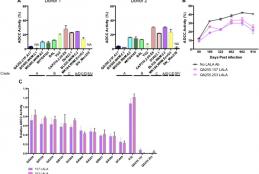
Antibody-dependent cellular cytotoxicity (ADCC) has been associated with improved infant outcome in mother-to-child transmission (MTCT) of HIV-1. Epitopes of these ADCC-mediating antibodies remain unidentified. CD4-inducible (CD4i) epitopes on gp120 are common ADCC targets in natural infection and vaccination. We tested whether CD4i epitope-specific ADCC mediated by maternal antibodies or passively-acquired antibodies in infants is associated with reduced MTCT and improved infant survival.

Protocol of a randomised controlled trial characterising the immune responses induced by varicella-zoster virus (VZV) vaccination in healthy Kenyan women: setting the stage for a potential VZV-based HIV vaccine

METHODS AND ANALYSIS:

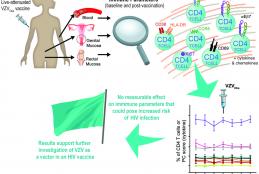
This open-label, randomised, longitudinal crossover study includes healthy Kenyan VZV-seropositive women at low risk for HIV infection. Participants receive a single dose of a commercial live-attenuated VZVOka vaccine at either week 0 (n=22) or at week 12 (n=22) of the study and are followed for 48 and 36 weeks postvaccination, respectively. The primary outcome is the change on cervical CD4+ T-cell immune activation measured by the coexpression of CD38 and HLA-DR 12 weeks postvaccination compared with the baseline (prevaccination).

Uon First Aid club blood drive sees strong turnout

University of Nairobi’s First Aid Club, in collaboration with Red Movement Kenya organized a blood drive at the UoN-KNH Campus from the 25th -27th March 2026, that saw a remarkable turnout of donors.

The event was aimed to replenish the dwindling blood supply at local hospitals. Volunteers who were mostly students at the Faculty of Health Sciences and collaborating organizations worked tirelessly, ensuring a smooth and efficient process for donors.